Maximize Engagement with Live Event Streaming: Tips for Success
A live stream can reach thousands of viewers worldwide in seconds. But reach alone does not guarantee engagement. If the experience feels flat or disconnected, audiences can drop off within minutes. Today's digital media is largely shaped by short-form content, social media feeds, and 30-second videos, making it one of the biggest challenges for event organizers to hold attention.
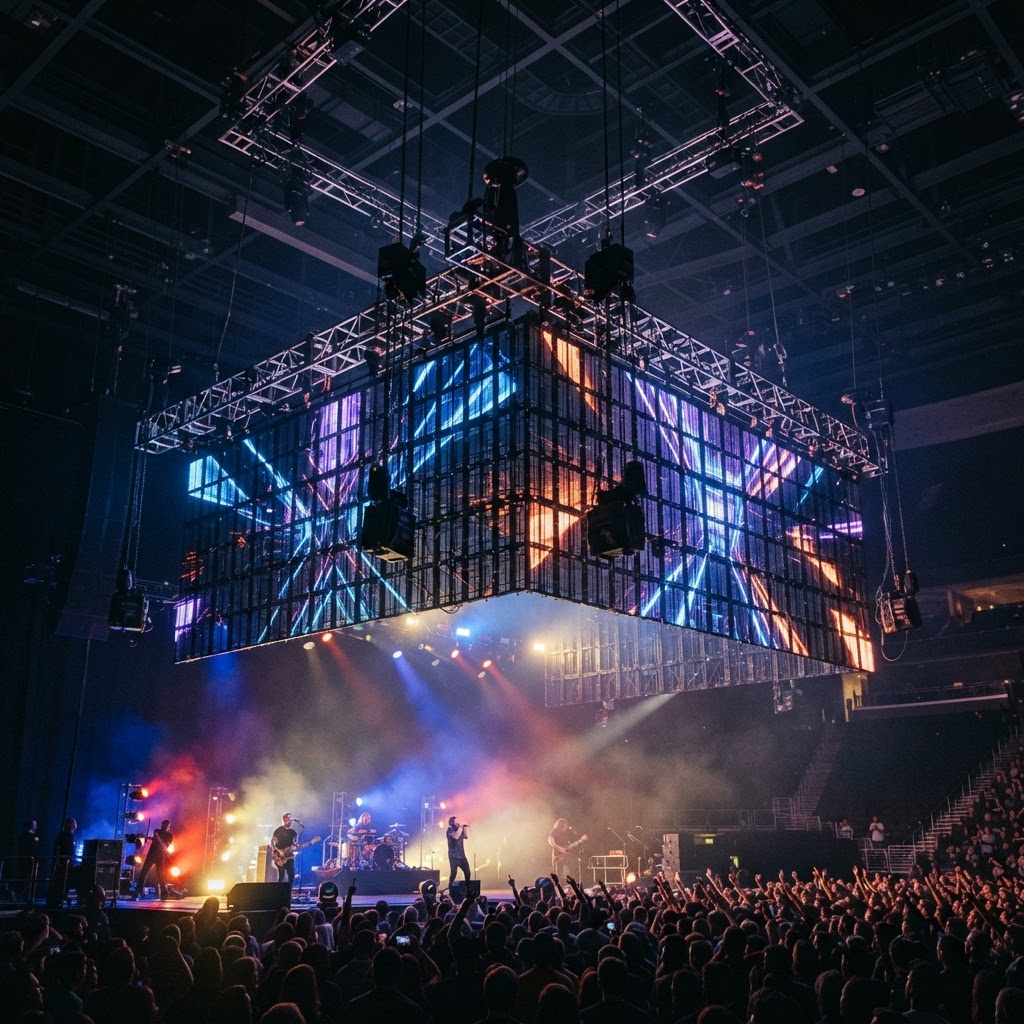
Live streaming today requires more than simply broadcasting an event online. It demands thoughtful planning and deliberate engagement with the audience. Live events are no longer limited to physical venues — organizations host conferences, product launches, concerts, and corporate meetings for audiences attending both in person and online. With the right strategy, live streaming can transform passive viewers into active participants.
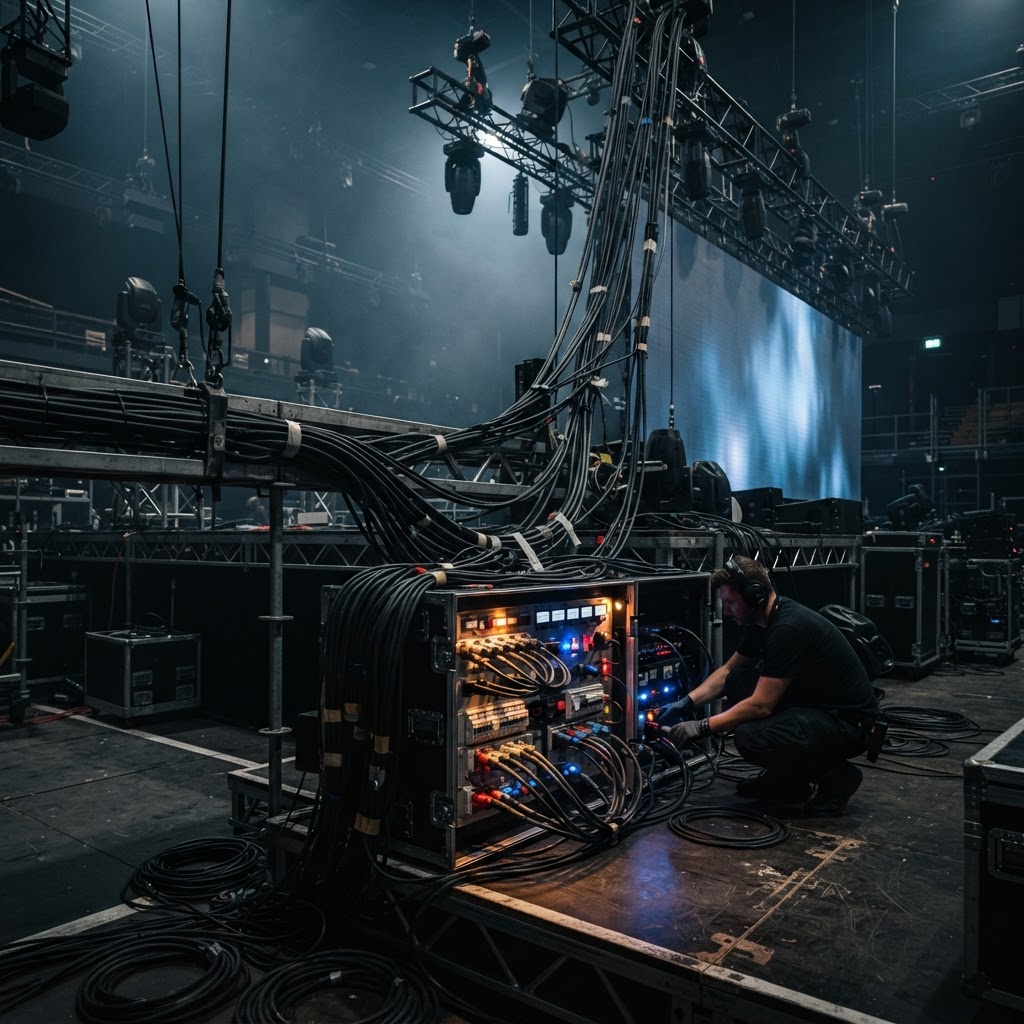
Many organizers assume streaming an event is as simple as turning on a camera and going live. In reality, successful streaming requires a carefully coordinated production environment: multi-camera video production, real-time audio management, stable internet connectivity, encoding and distribution platforms, and audience engagement tools. Without proper planning, even small issues like poor audio or buffering can quickly reduce viewer engagement.
In physical venues, energy comes from the crowd. Applause, laughter, and audience reactions naturally create engagement. Virtual audiences experience events differently. Without intentional strategies for engaging remote viewers, they may quickly disengage. Successful digital events focus on encouraging live stream audience interaction, using polls and Q&A sessions, incorporating interactive segments, and utilizing modern interactive live streaming tools.
The first and most important tip is to build a strong technical foundation. A stable professional event streaming setup ensures audio, video, and connectivity remain consistent — multiple cameras for dynamic coverage, professional microphones and live audio mixing, encoding systems for distribution, and high-speed internet with redundancy. Without it, even the best content can suffer from buffering, dropped connections, or poor video quality.
Design the event around virtual engagement strategies rather than treating online viewers as passive observers. Build in live polls, Q&A sessions with speakers, audience chat moderation, and scheduled interaction segments. Use interactive live streaming tools — polling, emoji reactions, live comments, and audience voting — to encourage participation. And prioritize high-quality audio: poor audio can quickly reduce viewer retention, while clear sound improves both understanding and production quality.
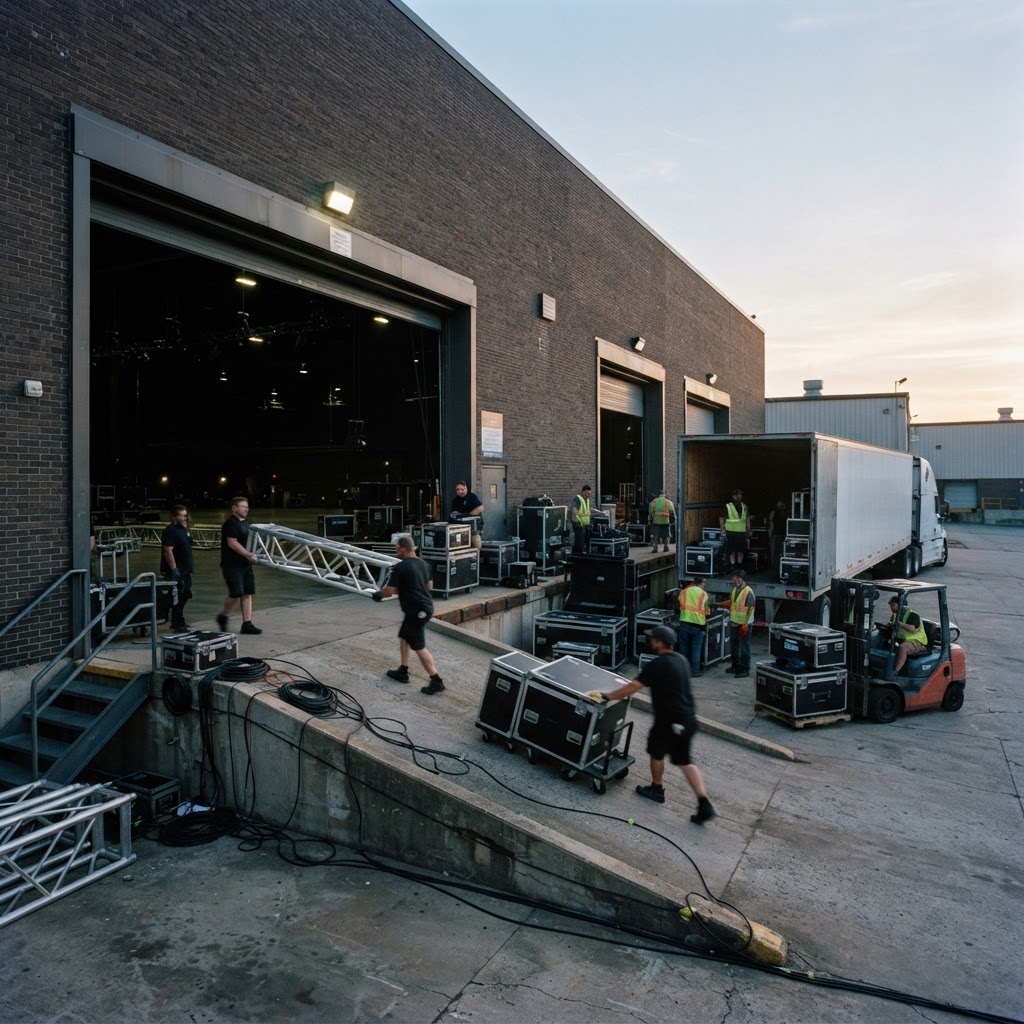
Finally, structure content for online viewing. Online audiences behave differently from in-person audiences — shorter presentation segments, dynamic transitions, visual graphics, and scheduled breaks maintain engagement. Monitor audience engagement data in real time — viewer retention, chat activity, poll participation — and work with experienced streaming production teams who run full technical rehearsals, test bandwidth, prepare backup equipment, and coordinate cues between speakers and technical staff.