What Is Event Management: An Ultimate Guide

We often see organizations assign large-scale events, such as conferences or trade shows, to internal teams or outsource them to freelancers with limited experience in vendor coordination, timelines, or technical logistics. The intention may be good, but even a small oversight can cause things to go south. This is why event management is not just about selecting a venue or booking a caterer. It is about managing people, schedules, contracts, logistics, and multiple moving parts while ensuring nothing slips through the cracks.
When this level of coordination is missing, problems scale quickly. At a large-scale event, even minor planning gaps can multiply costs and complexity. A delayed keynote speaker, missing AV equipment, understaffed catering, or a venue double-booking a ballroom for a product launch are not rare occurrences. In most cases, they are not bad luck — they are the result of poor event management. Behind every successful event is a team managing planning, coordination, production, and logistics in parallel. When event management is done well, it goes unnoticed. When it fails, the impact is remembered long after the event ends.
From an industry perspective, event management is the professional process of planning, coordinating, producing, and executing corporate events across physical, virtual, and hybrid formats. It spans the entire event lifecycle, from early planning and budgeting to vendor selection, live execution, and post-event analysis. It applies to corporate conferences, trade shows, product launches, fundraisers, and virtual and hybrid events. At its core, it brings planning, coordination, production, and execution into one cohesive system.
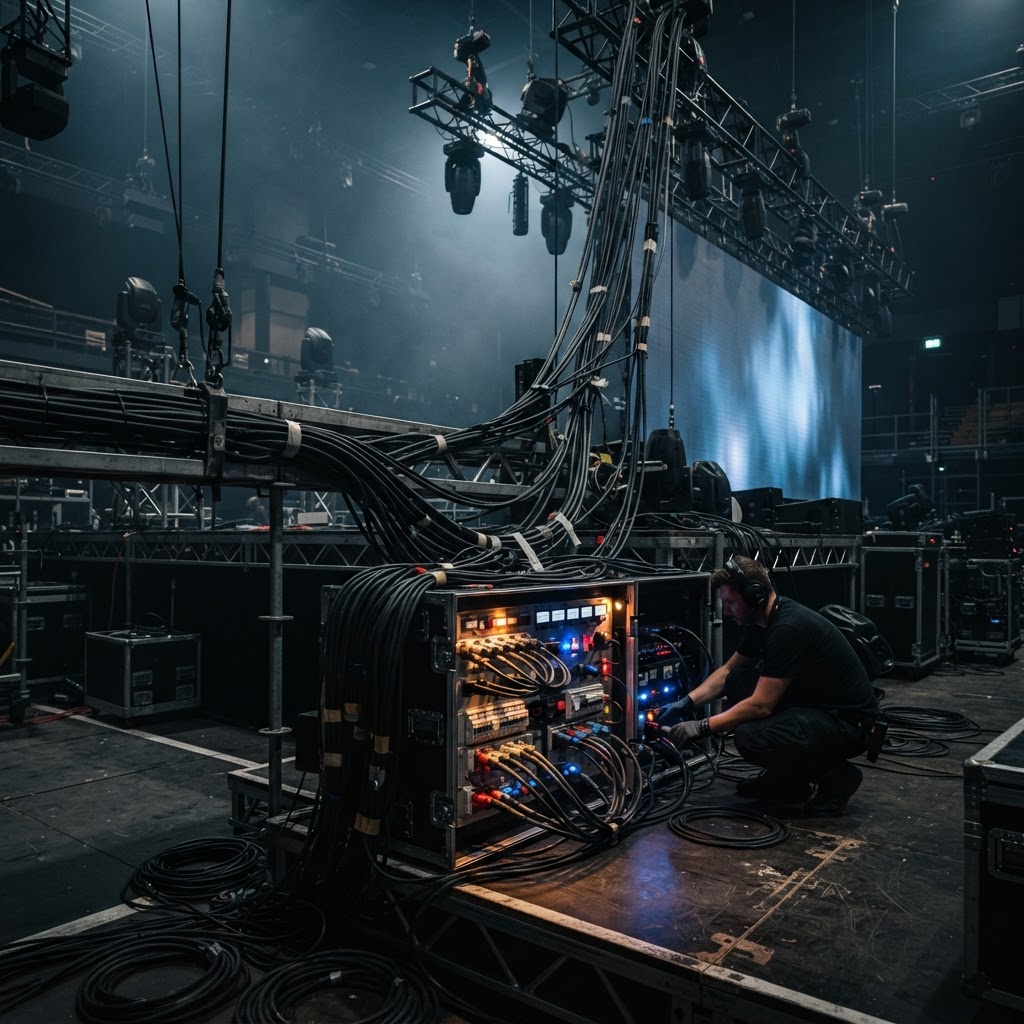
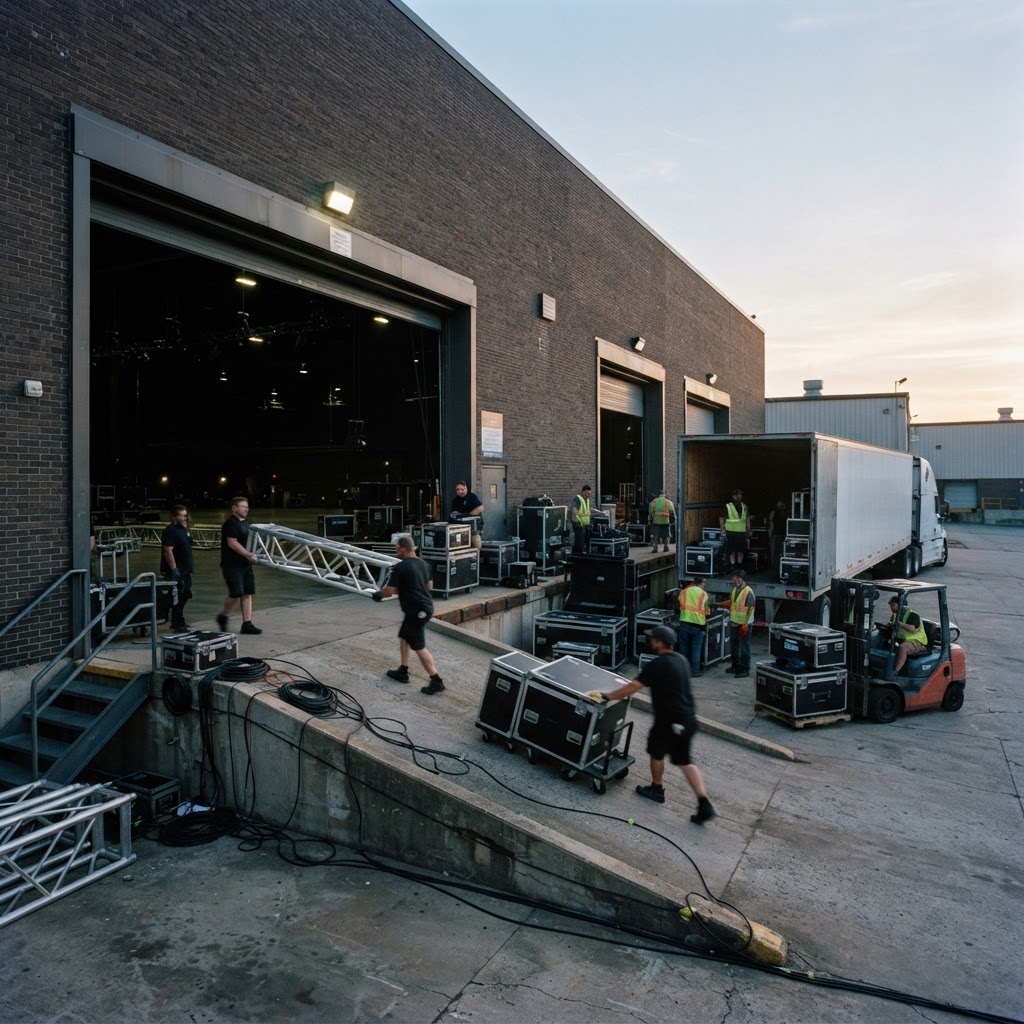
Every professionally managed event follows a structured lifecycle. The planning phase defines goals, target audiences, and budgets early — developing budgets and timelines, sourcing venues, and selecting vendors and event technology. The execution phase is where planning turns into action: load-ins, rehearsals, guest arrivals, and live programming in real time, with teams managing cues, transitions, and on-site adjustments. The evaluation phase reviews performance across attendance, engagement, and budget adherence to identify what worked and where to improve.
An event management team is responsible for turning strategy into execution. At the center is the event manager, who serves as the operational lead — the central coordination point for the entire production. Responsibilities include vendor and venue management, marketing and registration, transportation and guest flow, safety and contingency planning, and budgeting and payments. A single delayed supplier can disrupt the entire run of the show without strong coordination.
Events carry inherent risk, particularly at scale. A single mistake can impact brand perception, guest experience, and overall return on investment. Professional event planning services exist to reduce that risk, supporting better brand perception, higher audience engagement, stronger ROI, fewer visible crises, and more consistent guest experiences. When risk management is built into the planning process, issues are handled quietly rather than becoming public disruptions.