Why Modern Events Depend on High-Performance Live Sound Engineering
At a live event, people may not recall the speaker system's model or the complexity of the audio setup. What they remember is how it felt to hear it. When a keynote reverberates with clarity, the message lands. When a band sounds rich and defined, the energy spreads. But when audio cuts out, distorts, or feels uneven, the experience unravels in seconds. Momentum fades. Focus shifts. Trust quietly slips away.
This is why live sound engineering is no longer about simply making things louder. It is about crafting an environment where every word, note, and cue reaches the audience exactly as intended. Modern productions demand more than amplification. They require precision, control, scalability, and absolute reliability under pressure.
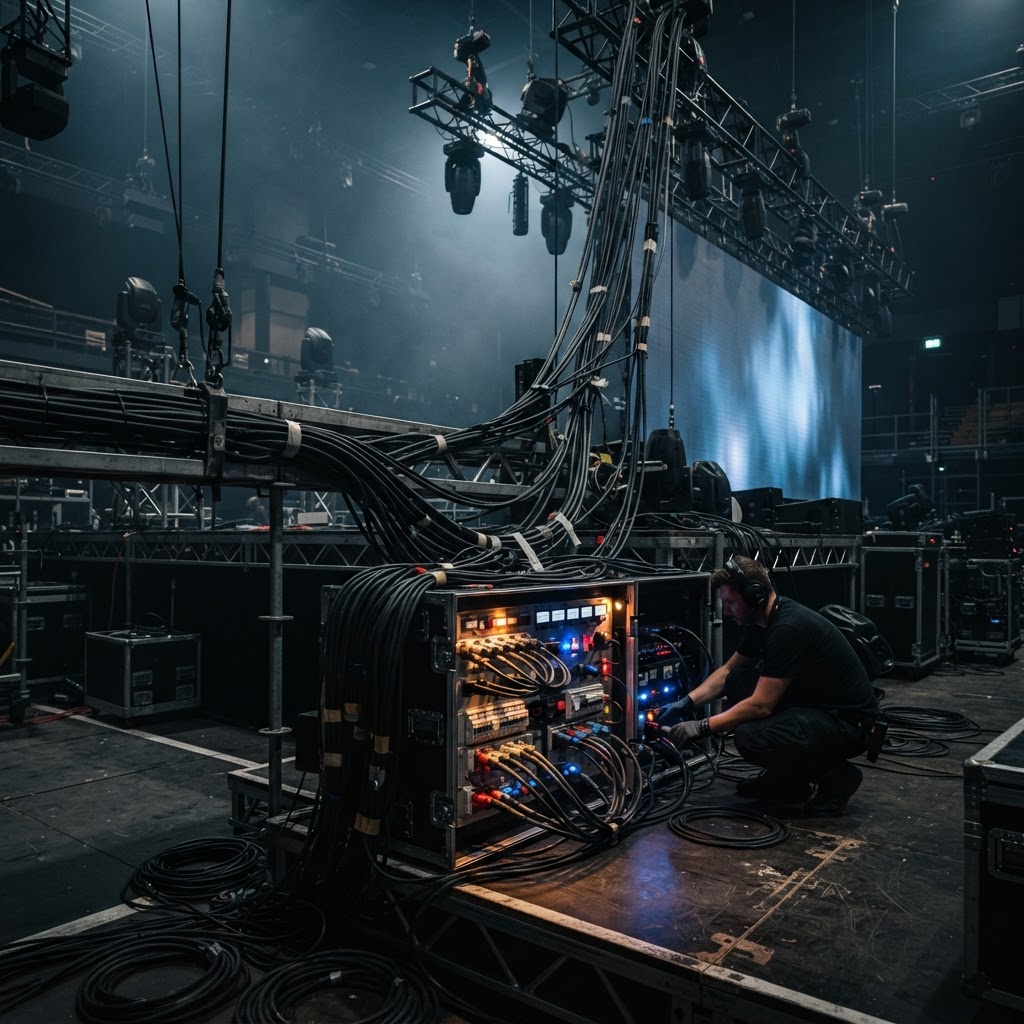
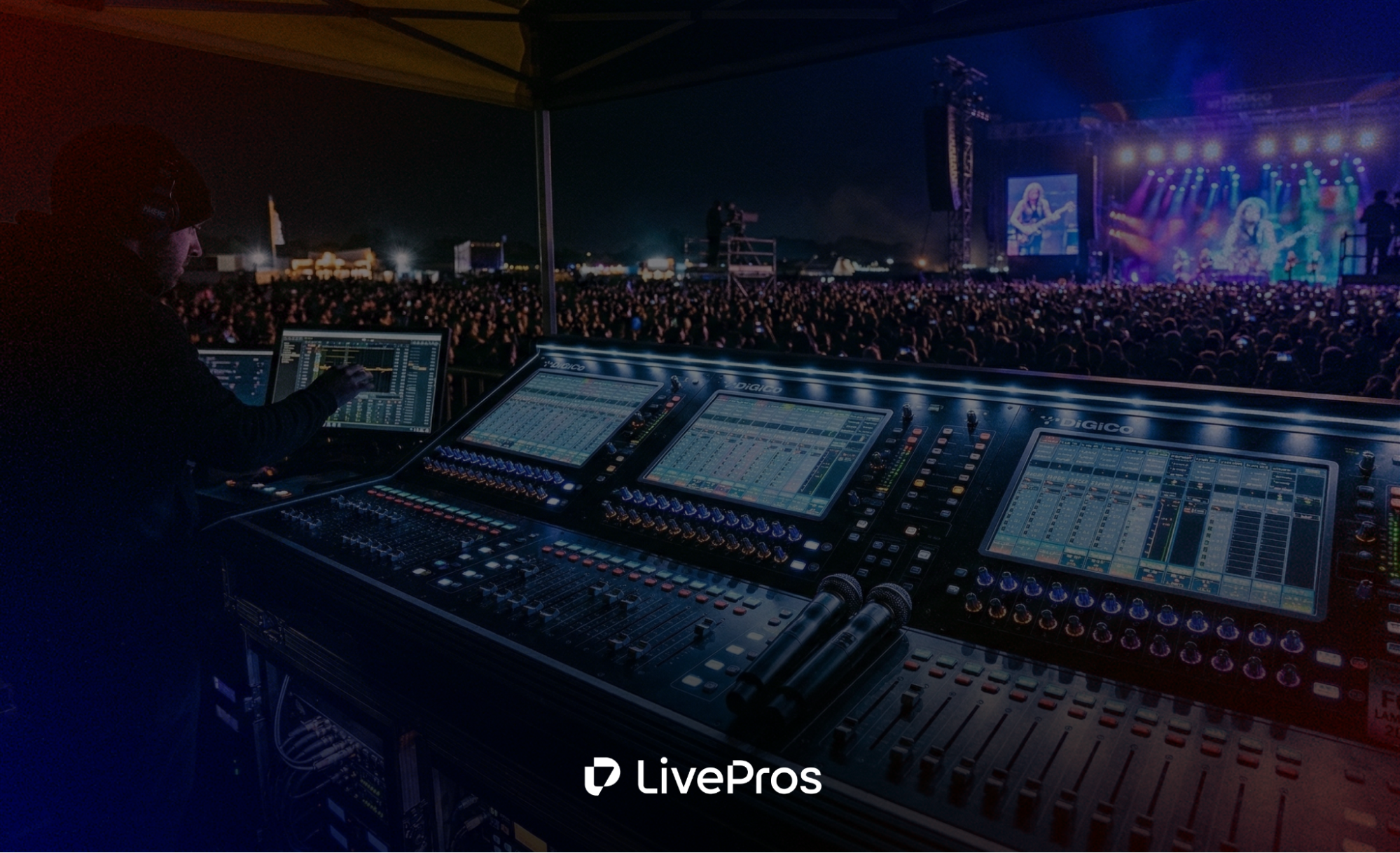
High-performance live sound engineering in events goes far beyond placing speakers around a venue. It is a structured, system-driven approach that includes system design and acoustic modeling, coverage planning using line array loudspeaker advancements, integrated routing through audio-over-IP systems, precision tuning with digital mixing consoles, RF coordination for wireless audio, and redundant signal paths to prevent show interruption.
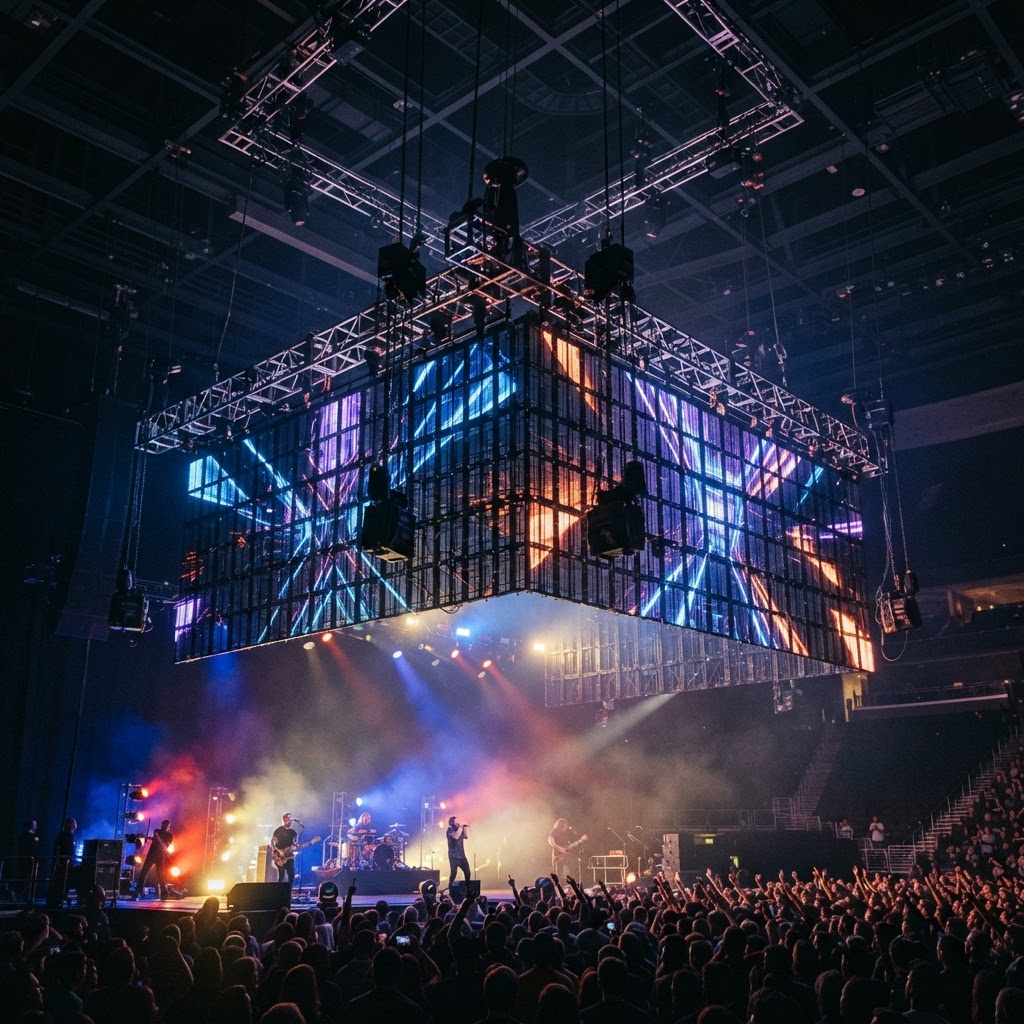
Audio is one of the few elements audiences experience continuously throughout an event. Unlike visuals, which shift and change, sound is constant. It carries the message, sets the tone, and drives the room's energy. Corporate events rely on clear, intelligible speech to maintain authority. Concerts depend on depth, balance, and low-end impact to create an emotional connection. Fashion shows rely on precise audio cues and timing to keep choreography, lighting, and stage flow synchronized.
Without structured live sound engineering, even well-planned events can fail in highly visible ways. Microphone dropouts during key moments, feedback and distortion that interrupt presentations, uneven coverage across the venue, and weak or inconsistent low-end reduce energy and impact. These are not behind-the-scenes technical problems. They are audience-facing failures. The moment sound becomes unreliable, it affects credibility, disrupts flow, and weakens the overall experience in real time.
Modern live sound engineering relies on a set of interconnected technologies — digital mixing consoles with scene recall and integrated processing, line array loudspeaker systems for even coverage across large venues, audio-over-IP networks for flexible signal distribution, wireless RF coordination to avoid interference, and redundant signal paths to eliminate single points of failure. Together, these technologies form the backbone that enables systems to perform reliably and scale efficiently.
The difference between good and professional audio becomes most visible under pressure. When something unexpected happens — RF interference, a signal drop, a change in acoustics — good systems react. Professional systems are already prepared, with redundancy and backup pathways ready to maintain continuity without disruption. In the end, professional sound engineering is defined by what the audience does not notice: no dropouts, no distortion, no distractions.