Why Professional Event Audio Can Make or Break Your Event
You walk into an event. It could be an education conference, a wedding, or even your cousin's bar mitzvah. What is the first thing you notice? The décor, maybe. The stage setup, sure. The food, well, it is a necessity. But what truly sets the mood within seconds is the music and the audio.
No matter the type of event, sound plays a powerful role in shaping the atmosphere. The right music cue can energize a crowd, signal transitions, or create focus during a keynote. When audio is done well, people feel engaged without even realizing why. It simply works. Unfortunately, bad audio ruining events is far more common than most planners would like to admit. Feedback squeals, microphones cutting out, uneven volume, or muffled speech can instantly pull people out of the moment and derail even the most carefully planned experience.
The good news is that these problems are not inevitable. With the right event audio support, thoughtful planning, and experienced professionals, most audio issues can be prevented before the first guest even arrives.
The importance of sound quality goes beyond just being heard. Clear audio builds trust, keeps audiences engaged, and reinforces professionalism. When sound is inconsistent or distorted, attention drops fast. People stop listening, start whispering, or mentally check out. This is why professional event audio matters more than décor or lighting in many cases. Guests will forgive a simple stage design, but they will not forgive struggling to hear a keynote speaker or wedding vows.
Sound quality also impacts accessibility. Clear audio ensures everyone in the room, including those seated far away, can follow along. There is a reason planners fear sound issues more than almost anything else. Bad audio ruining events usually happens suddenly and publicly. One moment, everything is fine; the next, feedback echoes through the room, or the microphone is silent. The most common audio problems at events include volume drops, echo, distortion, wireless interference, and uneven sound coverage.
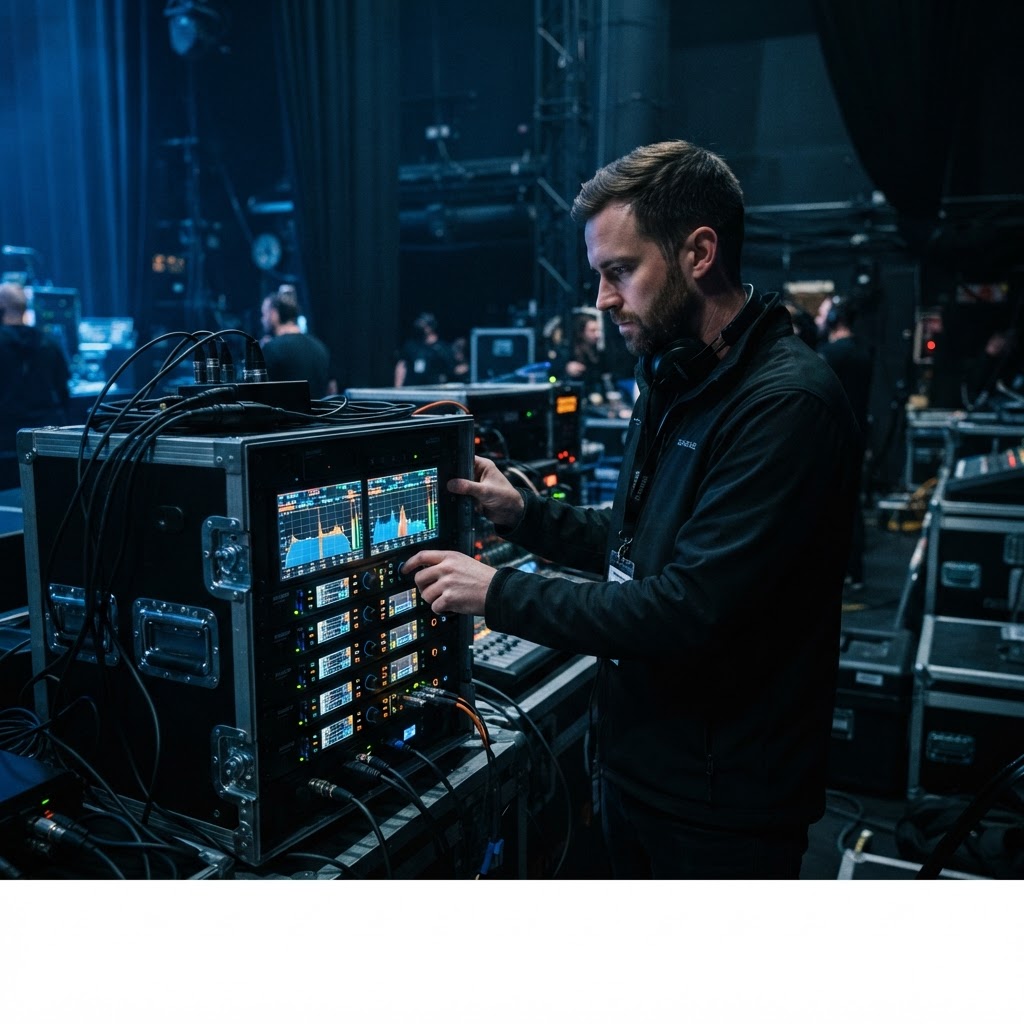
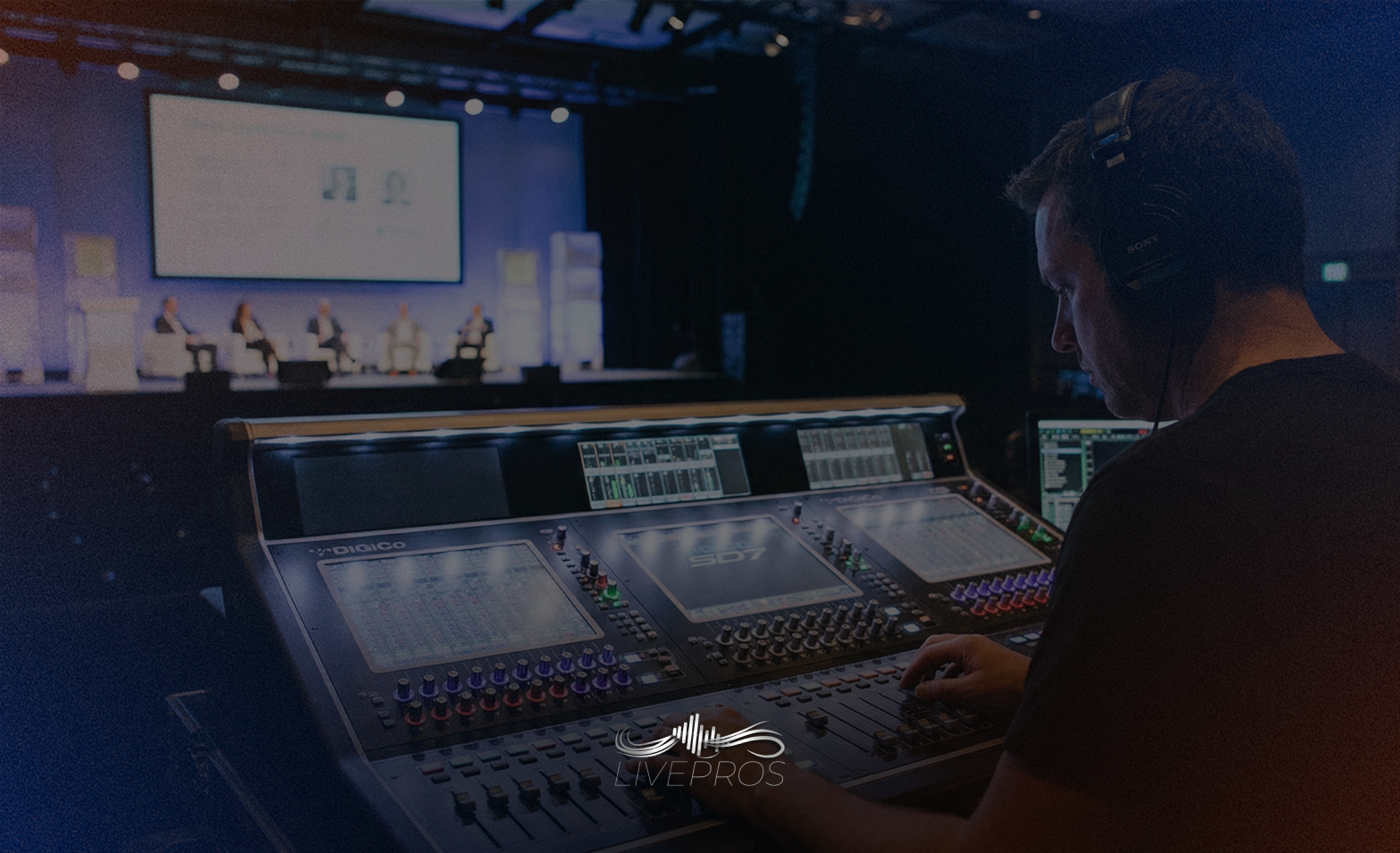
Not all audio setups are created equal. A basic setup might work for a living room or small gathering, but live events demand far more. Professional event audio accounts for venue acoustics, audience size, stage layout, and real-time adjustments. A properly organized event sound system includes the right microphones, speakers, mixers, and processing tools — and, more importantly, people who know how to use them. AV equipment for events is only as good as the team managing it.
With professional setups, event audio support is proactive rather than reactive. Instead of fixing problems after they occur, teams focus on preventing audio issues before guests even arrive. That level of planning is what separates smooth events from stressful ones. Microphones capture the message before it reaches the audience — handheld for interaction, lavalier for movement, headset for consistent volume, shotgun for directional environments. Speakers determine how well sound travels across the space, and the right mixer and processors keep it all controlled.